
Areas Covered
Hourly Home Care in Hipperholme
Hipperholme sits between Halifax and Brighouse, a Calderdale village where many households include someone caring for a parent, partner or grandparent while also holding down a job, raising children or simply trying to get through the week. Hourly home care exists for exactly that situation: support that fits around your family’s routine rather than forcing you into someone else’s timetable. The Care Collection provides our hourly home care service across Calderdale, with a minimum call length of one hour and no fixed slot that a client has to fit into. Carers who live in or near Hipperholme and the surrounding villages deliver the care, so it’s genuinely local support, not a service parachuted in from elsewhere.
What Hourly Care Actually Looks Like
Hourly home care is built around one simple idea: you decide what help is needed and when, and the care plan is shaped to match. That might mean a single morning visit to help someone get washed and dressed, a couple of afternoons a week for company and a bit of housework, or several calls a day for someone managing a more complex health condition. Because the minimum visit is a full hour, carers have time to do the job properly rather than rushing through a checklist and leaving.
For families in Hipperholme, this often starts with a specific trigger: a hospital discharge, a recent fall, a diagnosis, or simply a growing sense that a relative living alone isn’t managing quite as well as they used to. Hourly care is designed to respond to that moment, whether it’s needed for a few weeks or as an ongoing part of daily life.
A typical care plan sets out more than just which tasks are needed. It records preferred times, small personal details that matter, such as how someone likes their tea or which route they prefer for a short walk, and any medical information carers need to know, from medication schedules to mobility aids. Plans are written with the client and family, not simply handed to them, and they’re revisited regularly rather than filed away and forgotten. If a fall happens, a hospital appointment is added, or someone’s needs change with the seasons, the schedule can flex without a lengthy renegotiation.
Companionship
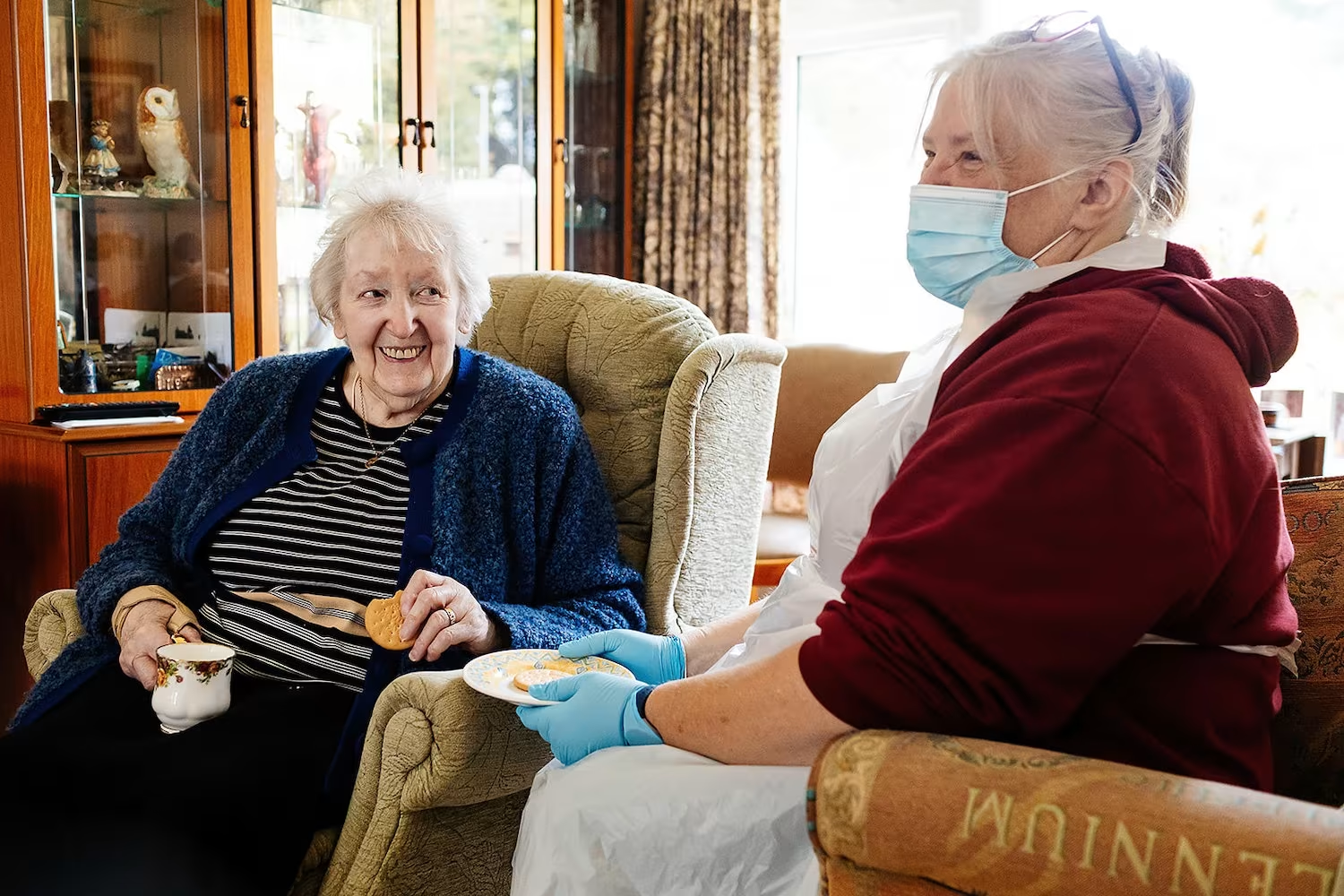
Loneliness and isolation are real risks for older adults living alone, particularly through the winter months when getting out and about is harder. A companionship visit might be a walk, a chat over a cup of tea, help getting to an appointment, or simply someone reliable calling in regularly so a client isn’t going days without proper conversation.
Domestic Support
Cleaning, laundry, changing bedding and keeping a kitchen safe and hygienic all become harder with age, illness or reduced mobility. Domestic support keeps a home comfortable and manageable without a family member having to add it to an already full list of jobs.
Personal Care
Washing, dressing and continence support are handled discreetly and with dignity. This is often the area families worry about most, and it’s one where having a carer who knows the client and their preferences, rather than a stranger, makes a genuine difference. Visits can also include support with moving safely around the home, prompting or administering medication, and simple health monitoring, such as noticing changes in appetite, skin condition or mood that might need a GP or district nurse involved. Carers are trained to notice the small signs that something isn’t right and to raise them promptly, rather than working through a fixed checklist and leaving.
Complex Care
Conditions such as dementia, multiple sclerosis, motor neurone disease, and brain or spinal injury need carers with specific training and confidence, not just goodwill. The Care Collection’s carers are trained and supported to deliver this level of care safely, working alongside families and, where relevant, other health professionals. This can include support with equipment such as hoists and mobility aids, managing more complex medication regimes, and close liaison with district nurses, GPs or specialist clinical teams, so care at home stays joined up with wider treatment rather than working in isolation from it.
Skills Enhancement
Not every visit is about doing things for someone. Skills enhancement is about building or rebuilding independence and confidence, whether that’s after an illness, an operation, or a change in circumstances, so a client can do more for themselves over time rather than less. Examples might include practising stairs safely after a hip replacement, regaining confidence in the kitchen after a stroke, or gradually building the stamina and self-assurance needed to get out to the shops independently again.
Who Hourly Care Is For
Hourly home care supports older adults aged 65 and over who want to stay independent at home, younger adults aged 18 to 65 living with a disability, long-term condition or recovering from injury, and children aged 0 to 17 through a dedicated paediatric-trained team. The common thread is flexibility: the same underlying service adapts to very different needs, ages and circumstances, rather than offering a single fixed package. For an older client, that might mean a short daily visit that reduces fall risk and supports continued independence at home. For a younger adult, it might mean help with a morning routine before work or college. For a child, it could mean specialist support that lets a family manage school, therapy appointments and everyday family life without everything falling on one parent.
Care Delivered Locally, Coordinated From Calderdale
Hipperholme is a Calderdale village, well placed between Halifax and Brighouse, with a strong sense of local community and plenty of families juggling caring responsibilities alongside work and everyday life. The Care Collection’s Calderdale office is based at the Elsie Whiteley Centre on Hopwood Lane in Halifax, and this is where care for Hipperholme is coordinated. What that means in practice is straightforward: carers are matched locally wherever possible, so the person visiting your relative is likely to live in or near Hipperholme themselves, understand the area, and be someone your relative sees regularly rather than a rotating cast of unfamiliar faces.
Continuity matters more in care than almost anywhere else. Wherever possible, the same small team of carers is assigned to each client, because trust and routine build up over repeated visits, not from a single introduction. All carers are DBS-checked, inducted and trained before they visit a client for the first time, and the office team that recruits and trains them also handles day-to-day scheduling, so there’s a single point of contact if a visit needs to change.
Why Families Choose The Care Collection
The Care Collection was founded in 2016 by Catherine Haigh, who has over 30 years’ professional experience across elderly care, dementia, physical disabilities, brain and spinal injury, mental health, neurological conditions, learning disabilities and palliative care. That professional background, set out in more detail under Catherine Haigh’s background in care, is matched by personal experience of care within her own family, which has shaped a company that treats care planning as something built around real people, not a standard form.
The Care Collection is registered with and rated Good by the Care Quality Commission across all five assessed areas, and carers are directly employed, trained and supported rather than supplied through subcontractors. The company has been named a Top 20 Home Care Provider in Yorkshire and The Humber by homecare.co.uk for two consecutive years, and holds an average client review score of between 9.7 and 9.9 out of 10 from more than 60 verified reviews on homecare.co.uk, the highest-rated provider across Kirklees, Calderdale and Wakefield, detailed further among our awards and client reviews. It is a full member of the Kirklees and Calderdale Care Association and appears as an approved provider on NHS provider directories.
None of that matters as much as what families actually say. Two reviews from Care Collection families:
“My husband has Parkinson’s. The Care Collection came to care for him while I had a short break.” – wife of a client
“We are very happy with the service we receive from The Care Collection.” – power of attorney for a client
What to Expect, From First Enquiry to Care Starting
Starting home care can feel like a big step, especially if it’s the first time your family has needed outside help. The process is designed to be unhurried and clear.
- Get in touch. Call the Calderdale office, use the Get a Quote button, or get in touch with the team through the short contact form with your name, phone number and a brief message about what kind of support you’re looking into. There’s no need to have every detail worked out before calling; the team is used to talking things through from scratch, whether you’re enquiring on behalf of a parent who doesn’t yet know care is being arranged, or making enquiries for yourself.
- A conversation, not a sales pitch. Someone from the team will talk through the situation with you: what support is needed, how often, and any specific health conditions or preferences that matter. This usually covers practical basics too, such as roughly how many hours of support are likely to be needed, whether care is needed at set times of day, and whether family members already provide some support that hourly care needs to work around.
- An assessment. Before care starts, needs are properly assessed so the care plan reflects the client’s actual circumstances, not a generic template. This normally involves a visit to the client’s home, so any practical risks, such as trip hazards or difficult stairs, can be seen firsthand, and so the client and family can ask questions face to face rather than over the phone.
- Carer matching. Carers are matched based on the client’s needs and, where possible, personality and interests too, with continuity of the same small team a priority. Where a client has a particular background or routine, for example a keen gardener, a former teacher, or someone who would prefer a female carer for personal care, the team factors this into matching alongside the practical skills required.
- Care begins. Visits start as agreed, with the plan reviewed and adjusted as circumstances change, whether that means more support, less, or something different entirely.
There’s no obligation at the enquiry stage, and no pressure to commit to anything before you’ve had your questions answered.
Taking the Next Step
If you’re weighing up options for a relative in or around Hipperholme, the most useful thing you can do first is talk to someone who understands the practical detail: how visits are scheduled, what carers can and can’t do, and roughly what it’s likely to cost, including how paying for care generally works. Getting a quote costs nothing and commits you to nothing. It simply gives you the information you need to make a decision that’s right for your family.
FAQs
What is the minimum visit length for hourly home care in Hipperholme?
The minimum call length is one hour. This is longer than many standard home care visits, giving carers enough time to provide proper support rather than rushing through tasks.
Does The Care Collection have a branch office in Hipperholme?
Care in Hipperholme is coordinated through The Care Collection's Calderdale office at the Elsie Whiteley Centre in Halifax. Carers are matched locally wherever possible, so support is delivered by people who live in or near the area, even though the office itself is based in Halifax.
What kind of support can hourly home care provide?
Hourly home care covers companionship, domestic support such as cleaning and laundry, personal care including washing, dressing and continence support, complex care for conditions like dementia, MS and motor neurone disease, and skills enhancement to build independence and confidence.
Is hourly home care only for older people?
No. It supports older adults aged 65 and over, younger adults aged 18 to 65 living with a disability or long-term condition, and children aged 0 to 17 through a dedicated paediatric-trained team.
Will the same carer visit each time?
Wherever possible, clients are supported by a regular, consistent small team of carers rather than a different person at every visit, so relationships and routines can build up over time.
Is The Care Collection regulated and inspected?
Yes. The Care Collection is registered with the Care Quality Commission and rated Good across all five assessed areas.
Are carers employed directly or are they agency staff?
Carers are employed directly by The Care Collection, and trained and supported by the company, rather than being supplied through an agency or subcontracted.
How do I know how much hourly home care will cost?
Costs depend on how many hours and what type of support are needed. The Care Collection's costs of hourly home care page explains this in more detail, and getting a personalised quote is free and without obligation.
How quickly can hourly home care start after a hospital discharge or a fall?
The team will discuss timescales with you at the enquiry stage based on your circumstances. Because care plans are built around individual needs rather than fixed packages, support can often be arranged relatively quickly once an assessment has taken place.
What areas around Hipperholme does The Care Collection cover?
The Care Collection supports families across Calderdale, including Hipperholme and the surrounding towns and villages, coordinated from its Calderdale office in Halifax.