
Areas Covered
Hourly Home Care in Meltham
Meltham sits at the edge of the Holme Valley, where the streets of this small Kirklees town give way to open moorland within a few minutes’ walk. It’s the kind of place where neighbours still know each other, where a short walk into the town centre is part of daily life for many older residents, and where families often live close enough to help but not always close enough to be there every day. Our hourly home care services are built for exactly that gap: flexible, visiting support delivered by carers who live in or near Meltham, arranged around a schedule that suits the person receiving care rather than a slot that suits a rota. There’s no fixed template here. A visit can be an hour of company and a cup of tea, help getting washed and dressed in the morning, or ongoing support for a more complex health condition, and the plan can change as needs change.
What Hourly Home Care Actually Involves
“Hourly care” simply means visiting care with a minimum call length of one hour, rather than the rushed fifteen-minute slots some services offer. It’s flexible by design, so the shape of support looks different from one household to the next.
Companionship and everyday support
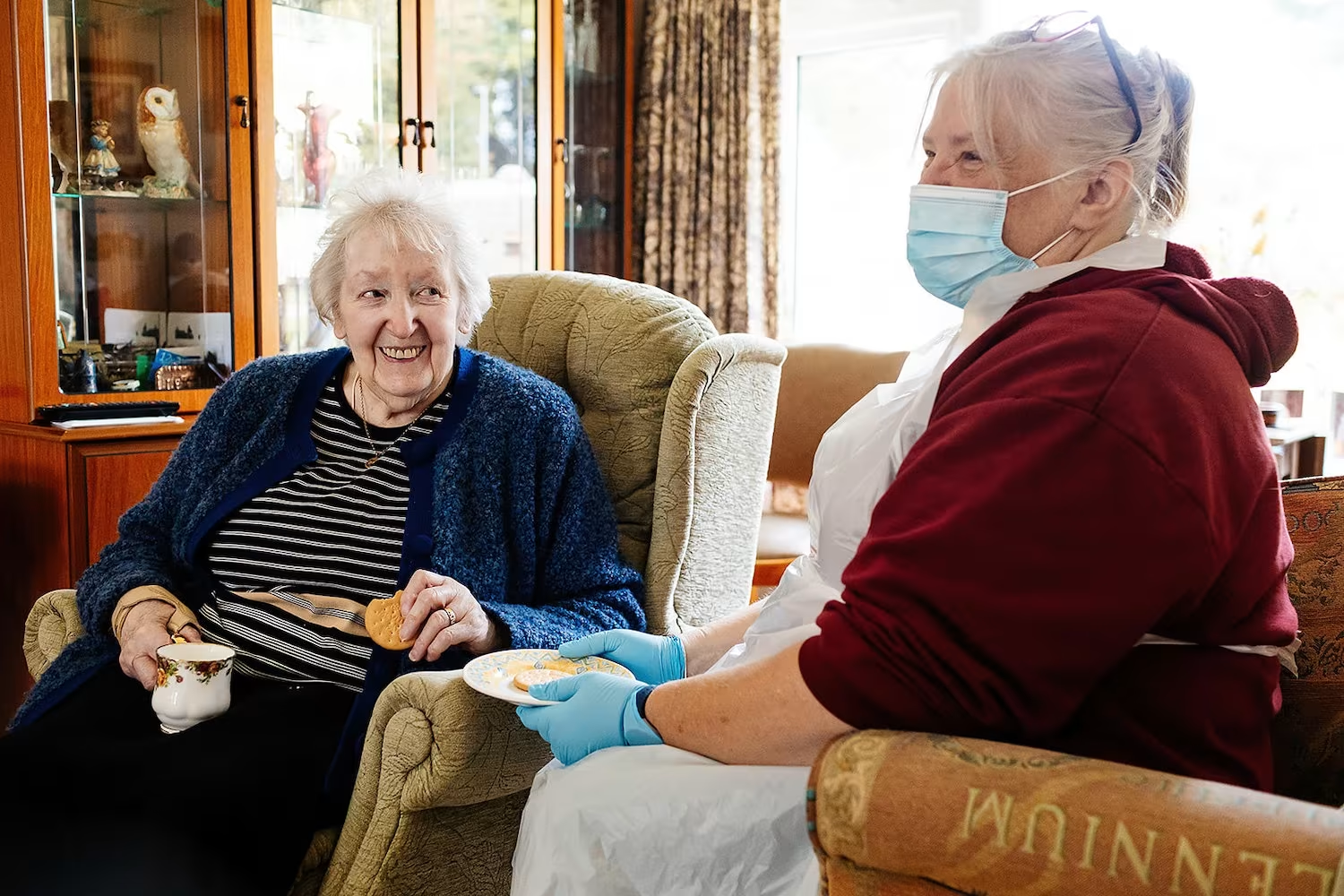
For many older people in Meltham, isolation is as real a concern as physical health. A regular visit from a familiar carer, someone to talk to, go for a walk with, or simply share a cup of tea with, can make a genuine difference to mood and wellbeing. Alongside this sits practical domestic support: help with cleaning, laundry, and the everyday tasks that become harder to manage alone. A typical visit might include preparing a proper meal rather than a ready meal reheated in a hurry, a trip to the local shops for fresh food, help with correspondence and bills, or accompanying someone to a GP or hospital appointment so they don’t have to face it alone. Carers are also encouraged to support the things that make life feel normal, whether that’s keeping up a hobby, tending a garden, or simply having the radio on and someone to chat to while doing it.
Personal care
Where support with washing, dressing, or continence is needed, our carers provide this discreetly and with dignity, always led by what the person wants and is comfortable with. This can include help getting in and out of bed, support with a shower or bath, dressing in clothes the person has chosen, oral care, and help with mobility or transfers using the correct equipment and technique. Continence care is handled sensitively and practically, with attention to skin integrity and comfort as well as hygiene. The aim throughout is to support independence wherever it’s safe to do so, rather than taking over tasks the person can still manage themselves.
Medication support and keeping track of wellbeing
Many of the people we support are managing one or more long-term conditions, and a missed or mistimed dose of medication can matter a great deal. Depending on what’s agreed in the care plan, carers can prompt medication at the right time, assist with administering it, or simply keep a record of what’s been taken so nothing is left to memory. Carers are also trained to notice the small changes that often signal something isn’t right, a change in mobility, appetite, skin condition, or mood, and to flag these promptly to family members, GPs, or district nurses rather than letting them go unnoticed between visits. For families who don’t live nearby, this everyday observation is often as valuable as the practical care itself.
Complex care needs
Some clients need support with more involved conditions, including dementia, MS, motor neurone disease, or the effects of a brain or spinal injury. Our carers are trained to support these conditions safely and with an understanding of how they affect daily life, not just the physical task in front of them. For someone living with dementia, that might mean keeping a familiar routine, using calm and clear communication, and reducing the confusion that a change of face or environment can cause. For someone with MS or motor neurone disease, support may need to adapt as fatigue or mobility changes week to week, and carers are trained to use equipment such as hoists or slide sheets safely and correctly. Where someone is recovering from or living with the effects of a brain or spinal injury, care can support rehabilitation goals set by other professionals rather than working against them. We also support families through end-of-life care, working alongside district nurses and hospice teams to help someone stay comfortable at home if that’s what they and their family want.
Building skills and independence
For younger adults or anyone working towards greater independence, care can also focus on skills enhancement, building confidence and ability rather than simply doing things for someone.
Who We Support
Hourly care through The Care Collection is available to older adults (65 and over), younger adults (18 to 65), and children (0 to 17) through a dedicated paediatric-trained team. Whether the need is a few hours a week to support an older parent living independently in Meltham, or more regular visits for someone managing a long-term condition, the care package is built around the individual, not a standard package applied to everyone.
Continuity: The Same Familiar Faces
One of the most common worries families raise is the idea of a stream of unfamiliar carers coming through the door. We work to provide regular, consistent carer teams wherever possible, so the person receiving care sees familiar, trusted faces rather than someone new every visit. All our carers are directly employed, trained, and supported by us, not subcontracted or supplied through an agency chain, which means we can match carers to clients based on personality and need, not just availability. Every carer undergoes an enhanced DBS check before starting, along with training in moving and handling, safeguarding, medication support, and first aid, refreshed regularly rather than completed once and forgotten. Supervisors carry out regular spot checks and reviews, so any concerns are picked up quickly rather than left until the next formal review.
Why Families Across Kirklees Choose The Care Collection
The Care Collection was founded in 2016 by Catherine Haigh, who brought over 30 years of professional experience across elderly care, dementia, physical disabilities, brain and spinal injury, mental health, neurological conditions, learning disabilities, and palliative care into building the company. That professional background sits alongside personal, lived experience of care within her own family, which shaped a genuine understanding of what families need from a care provider: honesty, consistency, and carers who are properly trained and treated well. You can read more about The Care Collection and the values behind it.
That founding approach is reflected in the outcomes. The Care Collection is registered with and rated Good by the Care Quality Commission across all five assessed areas. We’ve been named a Top 20 Home Care Provider in Yorkshire and The Humber by homecare.co.uk for two consecutive years, and hold an average client review score of 9.7 to 9.9 out of 10 from over 60 verified reviews on homecare.co.uk, the highest-rated provider across Kirklees, Calderdale, and Wakefield. We’re also a full member of the Kirklees and Calderdale Care Association and listed as an approved provider on NHS provider directories. You can see our awards and testimonials in full.
None of that matters as much as what families actually say. Two reviews left by people who use our service:
“The staff also have excellent communication skills, as well as carrying out personal care duties.” – husband of a client
“The service I receive is good, fulfils my requirements and is making my life easier.” – client
What to Expect: From First Enquiry to Care Starting
Starting care for the first time, whether for yourself or a family member, can feel like a big step into the unknown. Here’s what the process actually looks like.
- You get in touch. A phone call, an email to office@thecarecollection.co.uk, or a short contact form is all it takes to start a conversation. There’s no obligation and no pressure at this stage, just a chance to talk through what’s needed.
- We talk through the situation. We’ll ask about daily routines, health needs, personality, and what matters most, whether that’s keeping a familiar routine, managing a specific condition, or simply having company during the day. Where it’s helpful, this includes a visit to the home itself, so we can understand the layout, any mobility considerations, and the small details that make a routine work, rather than relying on a form filled in over the phone.
- We build a care plan around the answers. This sets out what support looks like, how often, and who from, always reviewed and adjusted as circumstances change. Family members are welcome to be part of this conversation, and often are, particularly where they’re helping to coordinate care from a distance.
- We match carers thoughtfully. Because our carers are employed directly rather than sourced through an agency, we can take time over who’s introduced, aiming for a good fit rather than whoever’s available.
- Care begins, with regular contact. Once visits start, we stay in touch to make sure the arrangement is working, and adjust it if it isn’t.
For a clearer sense of how costs are structured before you enquire, our page on the costs of hourly home care explains this in more detail, and our paying for care page covers funding options.
A Straightforward Next Step
If you’re weighing up options for yourself or someone you love in Meltham, the honest answer is that a phone call costs nothing and commits you to nothing. Getting a quote gives you real figures to work with, and a conversation with someone who understands the local picture, rather than a generic script, often makes the decision easier than expected. You can contact us today to start that conversation.
FAQs
What is hourly home care and how is it different from live-in care?
Hourly home care is flexible, visiting support with a minimum call length of one hour, built around a schedule that suits the client, such as morning visits, evening support, or several shorter calls across the day. Live-in care, by contrast, involves a carer staying in the home continuously. Hourly care suits people who need regular but not constant support.
Can hourly home care be arranged for just a few hours a week?
Yes. Hourly care is designed to flex around what's actually needed, whether that's one visit a week for companionship and light domestic help or several visits a day for more involved personal or complex care. The plan is built around the individual rather than a fixed package.
Will the same carer visit each time in Meltham?
We aim to provide regular, consistent carer teams wherever possible, so clients see familiar, trusted faces rather than a different carer at every visit. All carers are directly employed and trained by The Care Collection rather than supplied through an agency.
Does The Care Collection support people with dementia or other complex conditions?
Yes. Alongside companionship, domestic support, and personal care, our carers are trained to support complex needs including dementia, MS, motor neurone disease, and the effects of brain or spinal injury, with an understanding of how these conditions affect daily life.
Is home care only for older adults?
No. While many clients are older adults aged 65 and over, we also support younger adults aged 18 to 65 and children aged 0 to 17 through a dedicated paediatric-trained team.
How is The Care Collection regulated and rated?
The Care Collection is registered with and rated Good by the Care Quality Commission (CQC) across all five assessed areas. We are also a full member of the Kirklees and Calderdale Care Association and listed as an approved provider on NHS provider directories.
What do other families say about the care provided?
The Care Collection holds an average client review score of 9.7 to 9.9 out of 10 from over 60 verified reviews on homecare.co.uk, the highest-rated provider across Kirklees, Calderdale, and Wakefield, and has been named a Top 20 Home Care Provider in Yorkshire and The Humber for two consecutive years.
Does The Care Collection have an office in Meltham?
The Care Collection is based at three registered offices covering Kirklees, Calderdale, and Wakefield, with the Kirklees head office in nearby Honley. Care itself is delivered in the client's own home in Meltham by carers who live in or near the area, coordinated from these offices rather than a separate Meltham branch.
How do I find out how much hourly home care costs?
Costs depend on the type and frequency of care needed. Our costs of hourly home care page explains how pricing is generally structured, and getting a personalised quote is free and comes with no obligation.
What happens after I make an enquiry?
We talk through the situation and what support is needed, build a care plan around that, carefully match suitable carers, and begin visits with ongoing contact to check the arrangement is working well. There's no pressure at the enquiry stage, and getting a quote doesn't commit you to anything.